 Weight ManagementWeight Management

Garcinia cambogia’s active compound, HCA, is marketed for appetite control. Here’s how it’s thought to work, what the evidence shows and who should avoid it.
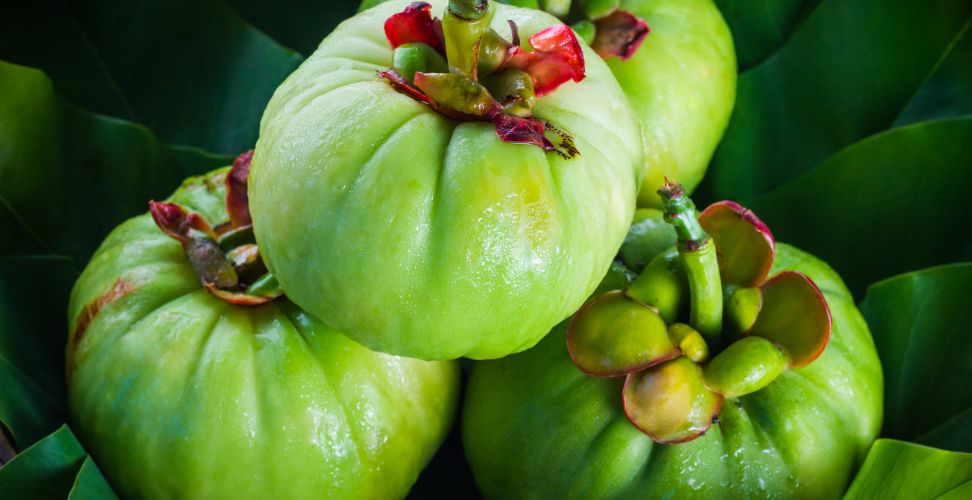
In the search for effective weight management tools, garcinia cambogia has attracted plenty of attention as a natural supplement that may help curb appetite and support fat loss. It comes from the fruit of the Garcinia gummi-gutta tree and has become a popular part of many weight-loss routines. Here we look at the science, how it's thought to work, its possible benefits and what to consider before using it.
Garcinia cambogia is native to Southeast Asia, where it has been used in traditional medicine for centuries. The fruit looks like a small pumpkin and is valued in cooking for its sour flavour. The compound that interests researchers is hydroxycitric acid (HCA), found mainly in the rind.
HCA may block an enzyme called citrate lyase, which helps the body turn carbohydrates into fat. By inhibiting it, garcinia may reduce fat storage.
HCA has also been shown to influence serotonin, a brain chemical linked to mood and appetite. Higher serotonin levels are associated with better mood and reduced hunger. This two-pronged action, limiting fat production while helping you feel satisfied, is what makes garcinia appealing to people managing their weight.
The main reason people try garcinia is to rein in their appetite. Some studies report fewer cravings and lower calorie intake in people taking it, which may help with emotional eating or late-night snacking.
By helping regulate hunger signals, it may make healthier choices and dietary goals easier to stick with, which can be valuable when stress and convenience push us towards poor eating habits.
Research on garcinia and weight is mixed. Some studies suggest modest weight loss in people with overweight, especially when combined with a healthy diet and exercise; others find little difference compared with a placebo.
Where benefits appear, they tend to be small. Some users report improvements in body composition, including less abdominal fat, which matters because excess belly fat is linked to heart disease and type 2 diabetes.
Some studies suggest HCA may improve endurance, making workouts feel more manageable and helping you push through tough sessions. For people who struggle with motivation or energy when training, that may complement weight-loss efforts. But no supplement can replace the benefits of regular exercise and a nutritious diet.
Early research suggests HCA may have anti-inflammatory effects, which could support general health and recovery after exercise. Some studies also hint that garcinia may improve cholesterol levels, supporting heart health, though more evidence is needed.
Garcinia is available as capsules, tablets and powders. Choose high-quality products from reputable, independently tested brands to ensure purity. Doses used in studies typically range from 500 to 1,500 milligrams a day, taken before meals, but talk to a healthcare professional before starting, especially if you have a health condition or take medication.
The fruit itself is sometimes sold in speciality stores, and its tangy flavour works well in sauces, salads and smoothies.
Most people tolerate garcinia well, but some experience digestive upset such as nausea, diarrhoea or bloating. There have also been rare reports of liver injury linked to garcinia-containing products, so anyone with liver problems should avoid it, and anyone who develops symptoms like yellowing skin, dark urine or abdominal pain should stop and seek medical help.
It isn't recommended during pregnancy or breastfeeding, and it may interact with some medications, including diabetes and mental health medicines.
Garcinia may offer some help with appetite and weight, but it works best as part of a wider strategy. Relying on supplements alone rarely brings lasting results. A balanced diet of whole foods, regular movement and good hydration remain the foundations of healthy weight management.
Healthy habits such as meal planning, mindful eating and consistent exercise will do far more than any single supplement, and they build a healthier relationship with food along the way.
Garcinia cambogia is a popular natural supplement that may help curb appetite and support weight management through its active compound, HCA. Results vary from person to person and the evidence is mixed. If you decide to try it, do so mindfully, with medical advice, and as part of a balanced lifestyle. A long-term commitment to healthy habits is what truly paves the way to lasting results.
This guide is for general education only. Speak with a doctor or pharmacist before starting any supplement, especially if you are pregnant, breastfeeding, take medication or have a health condition.