The B vitamins are a group of water-soluble vitamins with a big job: turning the food you eat into energy. They're also involved in making red blood cells, supporting brain function and building DNA. Here's a guide to each B vitamin, what it does, where to find it and why getting enough matters.
Why B Vitamins Matter
The B group includes B1 (thiamine), B2 (riboflavin), B3 (niacin), B5 (pantothenic acid), B6 (pyridoxine), B7 (biotin), B9 (folate) and B12 (cobalamin). They work together to support the enzymes that produce energy.
- Energy metabolism: They drive the processes that turn carbohydrates, protein and fat into fuel. Without them, your body can't use food efficiently.
- Nervous system: B12 and B6 in particular keep nerve cells healthy and neurotransmitters working.
- Red blood cells: B12 and folate are needed to make red blood cells, which carry oxygen around your body.
- DNA: Folate is key for making and repairing DNA, essential for cell growth.
- Mood and mind: B6, B12 and folate are linked to mood regulation and may influence the risk of depression and cognitive decline.
Meet the B Vitamins
- B1 (thiamine): Turns carbohydrates into energy and supports nerve function.
- B2 (riboflavin): Supports energy production and the metabolism of fats, and helps keep skin and eyes healthy.
- B3 (niacin): Helps enzymes convert carbs and fats into energy and supports DNA repair and hormone production.
- B5 (pantothenic acid): Needed to make coenzyme A, which is central to converting food into energy.
- B6 (pyridoxine): Key for protein metabolism, neurotransmitters and red blood cells, and supports immunity and hormone balance.
- B7 (biotin): Helps metabolise carbs, fats and protein and is linked to healthy hair, skin and nails.
- B9 (folate): Crucial for DNA, cell division and red blood cells, and especially important in pregnancy.
- B12 (cobalamin): Essential for red blood cells, nerve health and DNA, and helps metabolise fats and amino acids.
Where to Find B Vitamins
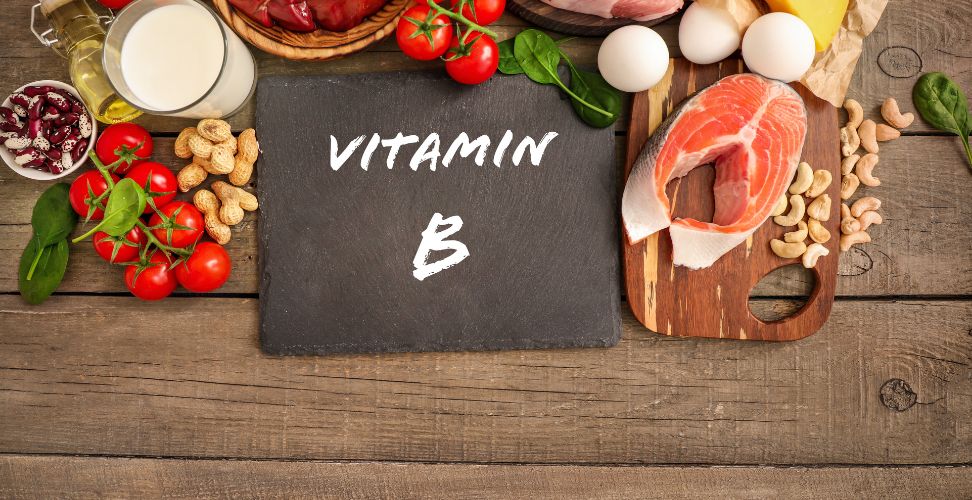
- Whole grains: Brown rice, oats, barley and wholewheat products provide B1, B3 and B5.
- Meat, poultry and fish: Rich in B6 and B12; liver is particularly packed with B vitamins.
- Dairy: Milk, yoghurt and cheese provide riboflavin and B12.
- Eggs: A good source of biotin and other B vitamins.
- Pulses: Beans, lentils and peas are high in folate.
- Nuts and seeds: Almonds, sunflower seeds and peanuts provide B6 and folate.
- Leafy greens: Spinach and kale are rich in folate.
- Fruit: Citrus, bananas, avocados and berries provide folate and B6.
Signs You May Be Low
- Tiredness: Low energy can signal a lack of B12, B6 or folate.
- Mood changes: Deficiencies may contribute to low mood, anxiety or irritability.
- Skin problems: Rashes or dryness can point to low riboflavin, niacin or biotin.
- Nerve symptoms: Tingling or numbness may indicate B12 deficiency, which needs prompt medical attention.
- Digestive issues: Some deficiencies cause diarrhoea or constipation.
How to Keep Your Levels Healthy
- Eat a varied diet: Foods from every group give you a broad range of B vitamins.
- Cook gently: Some B vitamins are destroyed by heat or leach into water, so steaming or microwaving helps preserve them.
- Consider a supplement: If you're vegan (B12 in particular), pregnant or at risk of deficiency, talk to a healthcare provider about supplements.
- Get checked: Blood tests can reveal low levels, especially if you have symptoms or a relevant health condition.
Fuel for Everyday Energy
B vitamins are essential for turning food into energy and keeping your body healthy, from red blood cells to your nervous system. Eating a variety of B vitamin-rich foods supports steady energy, better stress resilience and overall wellbeing.
This guide is for general education only. Speak with a doctor or pharmacist before starting any supplement, especially if you are pregnant, breastfeeding, take medication or have a health condition.
 Energy & Vitality