Magnesium is an essential mineral with a hand in many of the body's processes, especially muscle function and energy production. Yet many people don't get enough, which can affect their health. Here's what magnesium does, how it helps your muscles, where to find it, the signs of deficiency and how to keep your levels up.
What Magnesium Does
Magnesium is the fourth most abundant mineral in the body and takes part in more than 300 biochemical reactions, acting as a helper for many enzymes:
- Energy production: It helps convert carbs and fats into energy and is essential for making ATP, your cells' energy currency.
- Muscle function: It's vital for muscle contraction and relaxation and helps regulate calcium in muscle cells.
- Nerve signals: It supports neurotransmitter release and communication between nerves and muscles.
- Bone health: It's part of bone structure and works with calcium and vitamin D to keep bones strong.
- Protein synthesis: It helps build proteins, supporting muscle repair and growth after exercise.
How Magnesium Helps Your Muscles
- Contraction and relaxation: Calcium triggers muscles to contract; magnesium lets them relax, helping prevent cramps and spasms.
- Less fatigue: Low magnesium can reduce ATP production, leading to tiredness and weaker performance.
- Fewer cramps: Some studies suggest magnesium may help prevent exercise-related cramps, though results vary.
- Better recovery: It may help reduce inflammation and soreness after exercise.
- Performance: Adequate magnesium supports endurance and strength, making it key for active people.
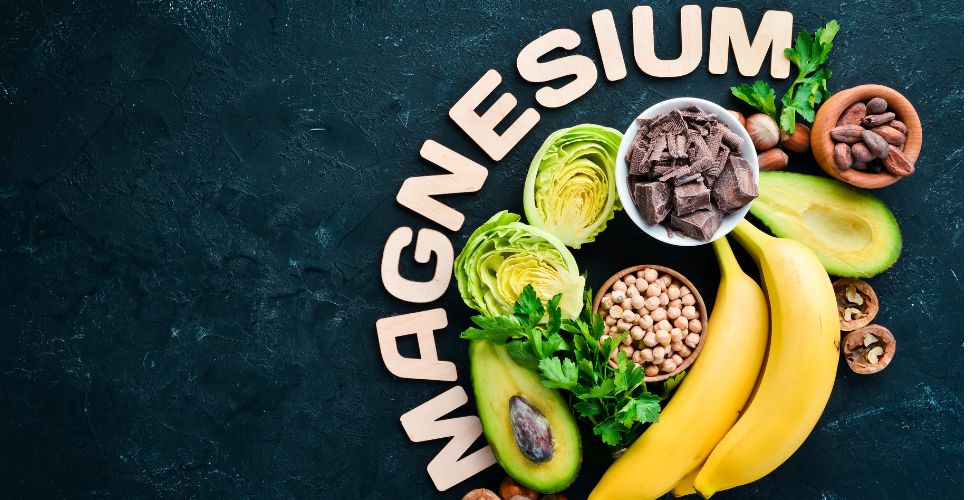
Magnesium-Rich Foods
- Leafy greens: Spinach, kale and Swiss chard are top sources.
- Nuts and seeds: Almonds, cashews, pumpkin and sunflower seeds make great snacks.
- Whole grains: Brown rice, quinoa, oats and wholewheat bread provide magnesium and fibre.
- Pulses: Beans, lentils and chickpeas offer magnesium and protein.
- Oily fish: Salmon and mackerel add magnesium alongside omega-3s.
- Dark chocolate: A delicious source, especially with high cocoa content.
- Avocados: Creamy, full of healthy fats and a good source of magnesium.
- Dairy: Yoghurt and milk contribute too.
Signs of Low Magnesium
- Cramps and spasms: Especially during or after exercise.
- Fatigue and weakness: Along with reduced exercise performance.
- Nausea and poor appetite: Deficiency can upset digestion.
- Numbness and tingling: Nerve symptoms can appear in the hands and feet.
- Mood changes: Low magnesium may contribute to anxiety and irritability.
How to Get Enough
- Eat a varied diet: Build meals around greens, nuts, seeds, pulses and whole grains.
- Consider a supplement: If food isn't enough, a supplement may help, but check with a healthcare provider first, particularly if you have kidney problems or take medication. High doses can cause diarrhoea.
- Cook gently: Steaming or lightly cooking vegetables preserves more magnesium than boiling.
- Stay hydrated: Good hydration supports nutrient absorption.
- Know the signs: Speak to a healthcare professional if you suspect you're low.
Power for Muscles and Energy
Magnesium is crucial for muscle function, energy production and overall health, and particularly important for active people. By eating magnesium-rich foods and paying attention to how you feel, you can support your muscles, reduce fatigue and keep your energy up for whatever the day brings.
This guide is for general education only. Speak with a doctor or pharmacist before starting any supplement, especially if you are pregnant, breastfeeding, take medication or have a health condition.
 Energy & Vitality