Collagen is a vital protein and one of the main building blocks of your skin, giving it elasticity, hydration and structure. As the most abundant protein in the body, it also supports bones, muscles, tendons and ligaments. Understanding collagen, and how to support it, can help you keep your skin healthier and more youthful. Here's what it does, why it matters and how to boost it.
What Collagen Does
Collagen accounts for around 30% of the protein in your body. It's made of long chains of amino acids, mainly glycine, proline and hydroxyproline. Its main jobs are:
- Structure: It forms the framework of your skin, giving it firmness, and supports cartilage and bone.
- Elasticity: Collagen fibres let skin stretch and spring back, key to a youthful look.
- Hydration: It helps skin hold on to moisture, preventing dryness and keeping it plump.
- Healing: It's essential for forming new tissue as wounds and scars heal.
Collagen's Benefits for Skin
- Better elasticity: Natural collagen production declines with age, leading to looser skin and fine lines. Supplements may help improve elasticity.
- More hydration: By supporting the moisture barrier, collagen helps skin look smoother and fresher.
- Softer wrinkles: Some studies show collagen supplements can reduce wrinkle depth and improve texture.
- Skin repair: It supports new tissue formation, helping skin recover from blemishes and injuries.
- Overall radiance: Healthy collagen contributes to an even, vibrant complexion.
Foods That Support Collagen
- Bone broth: Made by simmering bones, it's rich in collagen and easy to use in soups and stews or sip on its own.
- Fish and shellfish: Especially fish with the skin on; marine collagen is often well absorbed.
- Meat and poultry: Cuts with connective tissue provide collagen.
- Eggs: Rich in proline, an amino acid needed to build collagen.
- Dairy: Yoghurt and cheese provide protein and nutrients that support collagen production.
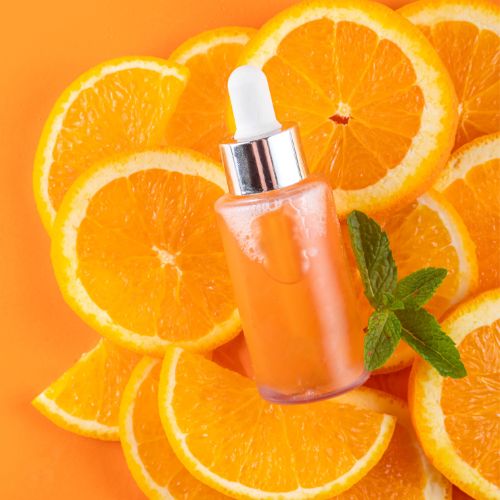
- Fruit and vegetables: Vitamin C is essential for making collagen, so eat citrus, strawberries and peppers.
- Nuts and seeds: Almonds, sunflower and pumpkin seeds provide zinc and copper, which help form collagen.
Collagen Supplements
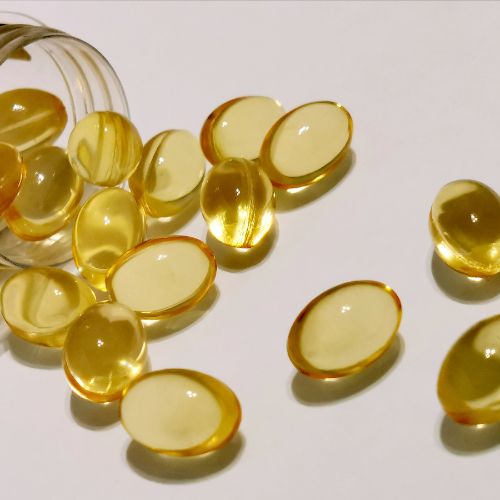
- Forms: Powders, capsules and liquids are available. Hydrolysed collagen (collagen peptides) is broken down for easier absorption.
- Possible benefits: Research suggests supplements can improve skin elasticity, hydration and texture with regular use.
- Added nutrients: Some include vitamin C, hyaluronic acid or biotin to further support skin.
- Get advice: Check with a healthcare provider on dosage and suitability, especially if you have allergies to fish or other sources.
Lifestyle Habits That Protect Collagen
- Stay hydrated: Water supports skin moisture and collagen function.
- Protect your skin from the sun: UV rays break down collagen and speed up ageing. Wear sunscreen and protective clothing.
- Don't smoke: Smoking reduces collagen production and accelerates skin ageing.
- Eat well: A diet rich in antioxidants, vitamins and minerals supports collagen production.
- Move regularly: Exercise improves circulation and nutrient delivery to your skin.
The Key to Youthful, Hydrated Skin
Collagen is the foundation of firm, hydrated skin. By eating collagen-supporting foods, considering supplements and protecting your skin through healthy habits, you can support your body's own collagen production and keep your skin resilient and radiant for years to come.
This guide is for general education only. Speak with a doctor or pharmacist before starting any supplement, especially if you are pregnant, breastfeeding, take medication or have a health condition.
 Skin & Beauty