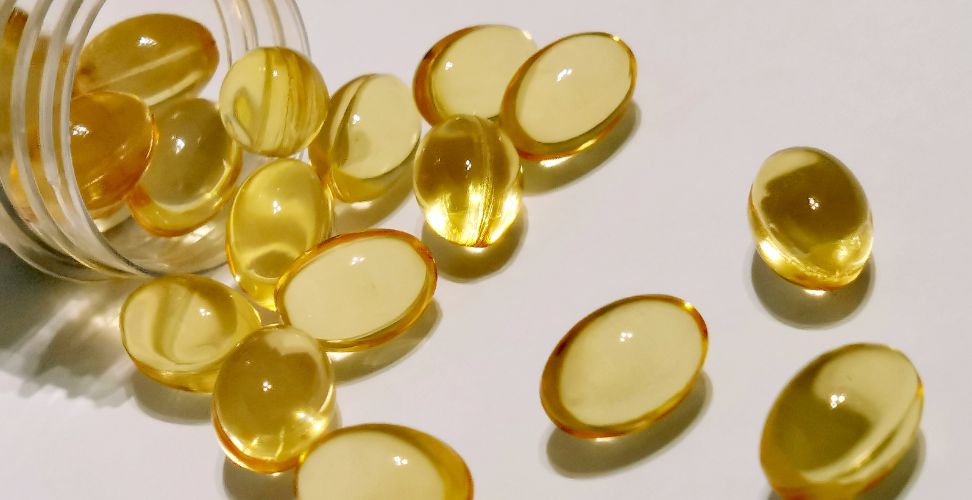
Vitamin E is a fat-soluble nutrient best known for its antioxidant power, which makes it important for healthy skin and for protecting against damage. It's a favourite in skincare and wellness circles for its ability to fight oxidative stress and keep skin looking vital. Here's what vitamin E does, where to find it and how to make the most of it.
What Vitamin E Does in the Body
"Vitamin E" is actually a family of compounds, tocopherols and tocotrienols, that share antioxidant properties. They neutralise free radicals, unstable molecules that damage cells and contribute to ageing and disease.
- Antioxidant defence: It protects cells from oxidative damage, helping keep them healthy and working properly.
- Stable cell membranes: It's built into cell membranes, where it helps maintain their structure and flexibility.
- Immune support: It helps your body fight infection and supports immune cell production.
- Healthy skin: Its effects on skin make it one of the most popular ingredients in skincare.
Why Your Skin Loves Vitamin E
- Extra UV defence: Vitamin E can help reduce some of the damage caused by UV radiation. It doesn't replace sunscreen, but it's a useful addition to sun protection.
- Moisture: It acts as a natural moisturiser, strengthening the skin barrier, reducing water loss and keeping skin soft.
- Calming irritation: Its anti-inflammatory effects can soothe redness and irritation, which may help with conditions like eczema.
- Healing support: Vitamin E is widely used to support skin repair, though evidence on scars is mixed.
- Fighting visible ageing: By reducing oxidative stress, a key driver of skin ageing, it helps keep skin supple and smooth.
Where to Find Vitamin E
- Nuts and seeds: Almonds, sunflower seeds, hazelnuts and peanuts pack a lot into a small portion.
- Plant oils: Wheat germ, sunflower and safflower oil are rich sources for cooking and dressings.
- Leafy greens: Spinach, kale and Swiss chard work well in salads and smoothies.
- Fruit: Avocado and kiwi add vitamin E to meals and snacks.
- Fortified foods: Some cereals have added vitamin E.
Vitamin E in Skincare
- Moisturisers: A common ingredient thanks to its hydrating benefits, especially for dry or sensitive skin.
- Sunscreens: Some formulas include vitamin E for extra antioxidant protection.
- Anti-ageing products: Often found in formulations targeting fine lines.
- Repair creams: Included in some products designed to support skin recovery.
Tips for Getting the Most From It
- Eat a varied diet: Include a range of vitamin E-rich foods for your skin and overall health.
- Choose targeted skincare: Look for vitamin E products if you're dealing with dryness, irritation or visible ageing.
- Try natural oils: Almond or avocado oil, both rich in vitamin E, can be part of your routine. Patch test first, as pure vitamin E oil can irritate some skin.
- Get expert advice: If you have a skin condition, a dermatologist can recommend suitable products. High-dose vitamin E supplements aren't advised without medical guidance, as they can affect blood clotting.
A Skin Essential
Vitamin E is a powerful antioxidant that helps reduce skin damage and supports overall skin health. With its ability to add protection, moisturise, calm inflammation and support repair, it's an invaluable part of any skincare approach. Enjoy vitamin E-rich foods and use products that contain it, and you'll help your skin stay healthy, resilient and radiant.
This guide is for general education only. Speak with a doctor or pharmacist before starting any supplement, especially if you are pregnant, breastfeeding, take medication or have a health condition.
 Skin & Beauty