A balanced microbiome is essential for good health, influencing digestion, immunity and even mental wellbeing. What you eat has a big effect on your gut bacteria, so your food choices really matter. Here are the foods that help nurture a healthy microbiome, from fermented favourites to fibre-rich staples.
Your Microbiome, Explained
Your gut microbiome is a complex community of trillions of bacteria, viruses, fungi and other microbes living in your digestive tract. A diverse, balanced microbiome is linked to better digestion, stronger immunity and improved mental health. When it falls out of balance, known as dysbiosis, it may contribute to digestive disorders, weight gain and even mood problems.
Fermented Foods: Natural Probiotics
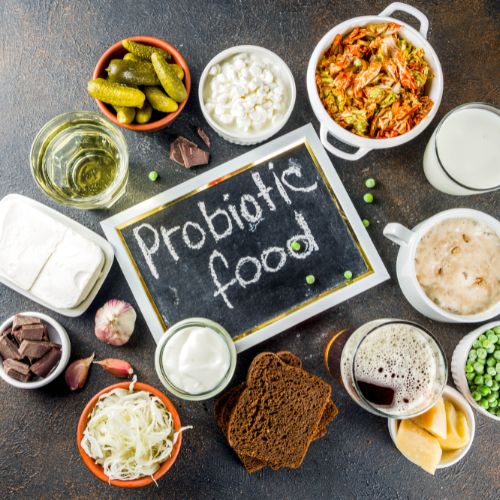
Fermented foods contain probiotics, live beneficial bacteria. During fermentation, microorganisms convert sugars into acids, gases or alcohol. Great options include:
- Yoghurt: Made from milk fermented with bacterial cultures. Choose plain, unsweetened yoghurt with live cultures.
- Kefir: A fermented milk drink with an even wider range of probiotic strains. Drink it as is or use it in smoothies and dressings.
- Sauerkraut: Fermented cabbage rich in probiotics and vitamins C and K. Enjoy it on its own or in sandwiches and salads.
- Kimchi: A spicy Korean dish of fermented vegetables, full of beneficial bacteria. Serve it as a side or add it to stews and rice.
- Kombucha: A fizzy fermented tea. Choose varieties low in added sugar.
- Miso: A fermented soybean paste from Japan that adds depth to soups, dressings and marinades.
High-Fibre Foods: Food for Your Microbes
Fibre feeds beneficial gut bacteria and supports a diverse microbiome. Fill your plate with:
- Fruit: Apples, bananas, berries and pears provide fibre and prebiotics.
- Vegetables: Leafy greens like spinach and kale, cruciferous vegetables like broccoli and cauliflower, and root vegetables like carrots and sweet potatoes.
- Pulses: Beans, lentils and chickpeas are high in fibre and protein, perfect for salads, soups and stews.
- Whole grains: Oats, quinoa, brown rice and wholewheat products support digestion and overall health.
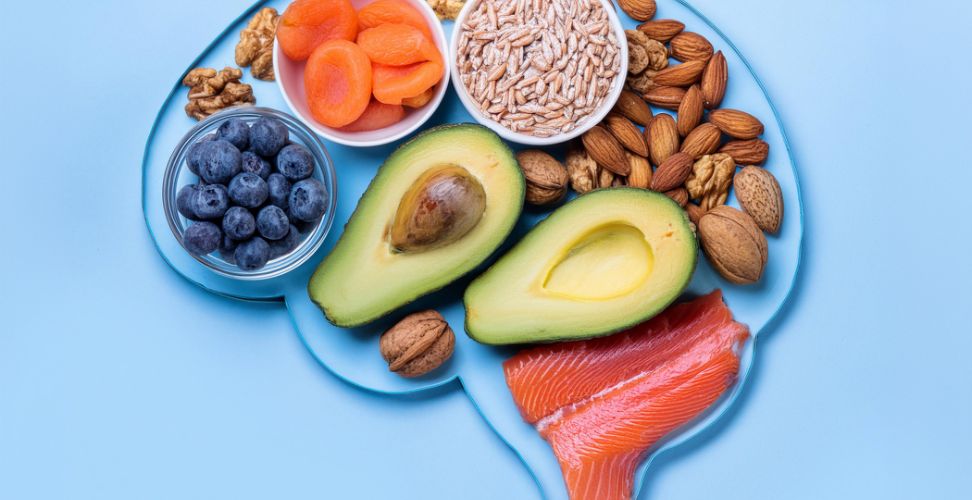
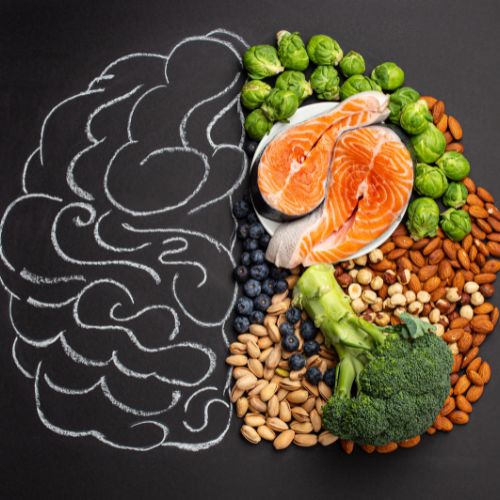
- Nuts and seeds: Almonds, walnuts, chia and flaxseed add fibre and healthy fats to smoothies, yoghurt or salads.
Prebiotic Foods: Extra Fuel
Prebiotics are special fibres that feed probiotics and help them thrive. Top sources include:
- Garlic: A natural prebiotic that adds flavour to almost any dish.
- Onions: Rich in prebiotic fibres; great in salads, soups and stir-fries.
- Asparagus: High in prebiotic fibre and delicious grilled, roasted or steamed.
- Leeks: A tasty addition to soups and stews.
- Bananas: Especially slightly green ones, which contain resistant starch that acts as a prebiotic.
Foods to Limit
- Ultra-processed foods: High in sugar, unhealthy fats and additives, they may encourage harmful bacteria and inflammation.
- Artificial sweeteners: Some research suggests they may disrupt gut bacteria.
- Too much alcohol: Heavy drinking can upset your gut's bacterial balance.
- High-sugar foods: Lots of added sugar can feed harmful bacteria and yeasts.
Practical Tips
- Go for variety: A wide range of plant foods and fermented foods supports a rich microbiome.
- Introduce fermented foods slowly: Start with small portions and build up as your gut adjusts.
- Drink plenty of water: It helps fibre work properly and supports digestion.
- Build balanced meals: Combine protein, healthy fats and fibre-rich carbohydrates.
- Listen to your body: Notice how foods affect you, as some people have specific sensitivities.
Feed Your Gut Well
Your food choices shape your microbiome and your health. By eating a variety of fermented foods, fibre-rich staples and prebiotic ingredients, you can support a balanced gut that helps with digestion, immunity and mental wellbeing. It's not about any single "superfood", but about a sustainable, balanced way of eating that nourishes your gut and your whole body.
 Gut Health