Gut health has become one of the biggest topics in wellness, and two words come up again and again: probiotics and prebiotics. They sound alike and both support digestion, but they do very different jobs. Understanding how they differ, and what each offers, is key to looking after your gut and your overall health.
What Are Probiotics?
Probiotics are live microorganisms, often called "good" or "friendly" bacteria, that benefit your health when you consume enough of them. They naturally live in your gut and help keep your microbiome balanced. Common strains include Lactobacillus, Bifidobacterium and the yeast Saccharomyces boulardii.
Probiotics support gut health by:
- Restoring balance: They help replenish your gut bacteria after disruption from antibiotics, illness or poor diet.
- Aiding digestion: They help break down food and absorb nutrients.
- Supporting immunity: They strengthen the gut barrier and encourage the production of certain antibodies.
- Easing digestive problems: Specific strains can help manage symptoms of IBS, diarrhoea and constipation.
- Supporting mood: Early research suggests probiotics may influence the gut-brain axis and help ease anxiety and low mood.
What Are Prebiotics?
Prebiotics are fibres and compounds your body can't digest that act as food for probiotics. They're the fuel that keeps beneficial bacteria thriving. Common prebiotics include inulin, fructooligosaccharides (FOS), galactooligosaccharides (GOS) and resistant starch.
Prebiotics help by:
- Feeding good bacteria: They encourage the growth and activity of beneficial microbes for a healthy, diverse microbiome.
- Supporting gut balance: By nourishing probiotics, they help maintain healthy gut flora.
- Improving mineral absorption: They can help your body absorb calcium and magnesium more effectively.
- Supporting immunity: A healthy gut environment helps regulate the immune system.
- Keeping you regular: Prebiotic fibres support healthy bowel movements and can ease constipation.
The Key Differences
- What they are: Probiotics are live bacteria; prebiotics are indigestible fibres that feed them.
- What they do: Probiotics add to your population of beneficial bacteria; prebiotics help those bacteria grow and work.
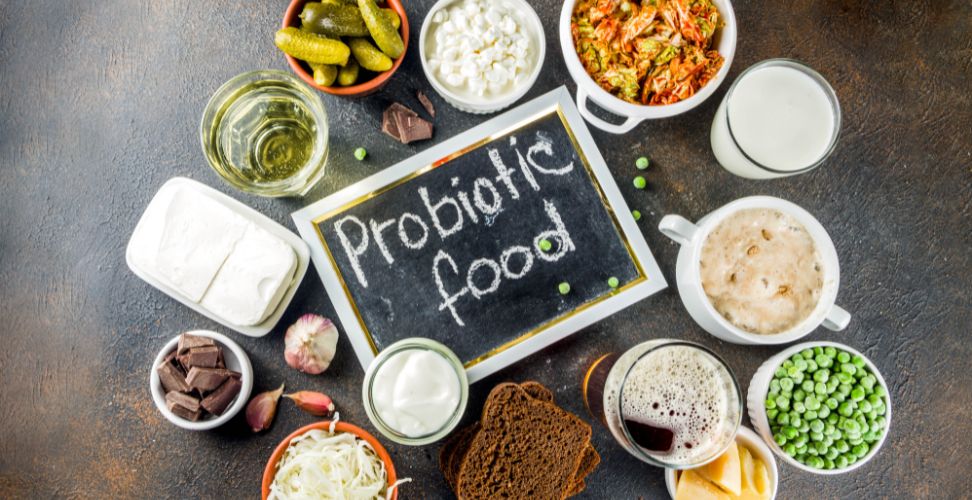
- Where to find them: Probiotics are in fermented foods like yoghurt, kefir, sauerkraut and kimchi. Prebiotics are in garlic, onions, bananas, asparagus and whole grains.
Why You Need Both
- They work together: Prebiotics create the right environment and supply the nutrients probiotics need to flourish.
- A balanced microbiome: Healthy gut bacteria support digestion, immunity and mental health, and both are needed to maintain that balance.
- Better nutrient absorption: The combination can improve how well you absorb essential nutrients.
- Protection against dysbiosis: Nurturing a diverse microbiome helps prevent the imbalance that can cause digestive and other health problems.
How to Get More of Both
- Eat fermented foods: Yoghurt, kefir, sauerkraut, kimchi and kombucha boost your probiotic intake.
- Load up on fibre: Garlic, onions, leeks, asparagus, bananas and whole grains feed your good bacteria.
- Consider supplements: If food isn't enough, a high-quality supplement may help. Ask a healthcare professional which is right for you.
- Aim for variety: A wide mix of fruit, vegetables, whole grains and pulses supports a diverse microbiome.
- Stay hydrated: Water supports digestion and helps fibre do its job.
A Balanced Approach to Gut Health
Probiotics and prebiotics play different but complementary roles in keeping your microbiome healthy, which in turn supports digestion, immunity and mental wellbeing. Including a variety of both in your diet is one of the simplest ways to support your gut. Look after your gut, and you're looking after your whole body.
 Gut Health