 Gut HealthGut Health

Your gut and brain talk to each other constantly. Learn how your microbiome affects mood and stress, and seven practical ways to support both.
The gut-brain connection has become a hot topic in health and psychology. It describes the deep link between gut health and mental wellbeing. As scientists learn more about the gut microbiome, they're uncovering how our digestive system helps shape our mood, emotions and overall mental health. Here's how the connection works, what it means for mental health and practical ways to support both.
The gut-brain axis is the two-way communication network between your digestive tract and your brain. Messages travel through the nervous system, the immune system and hormones. A key player is the vagus nerve, which runs from the brain to the abdomen and carries signals in both directions, so the brain can influence the gut and the gut can influence the brain.
Your gut microbiome, the huge community of microbes living in your intestines, is central to this conversation. These microbes produce neurotransmitters and other compounds that affect how your brain works.
The make-up of your gut microbiome has a big impact on mental health. A healthy, diverse microbiome is linked to better mood and thinking, while an imbalanced one, with less diversity and more harmful bacteria, may contribute to anxiety, depression and other mood disorders.
One reason is neurotransmitter production. Around 90% of serotonin, a key mood regulator, is made in the gut, and imbalances in gut bacteria can disrupt it. Gut bacteria also produce short-chain fatty acids (SCFAs), which are linked to better brain health and lower inflammation.
Diet shapes your microbiome and, in turn, your mental wellbeing. Whole, unprocessed foods such as fruit, vegetables, whole grains and lean proteins encourage beneficial bacteria. Diets high in processed foods, sugar and unhealthy fats can lead to dysbiosis, an unhealthy imbalance.
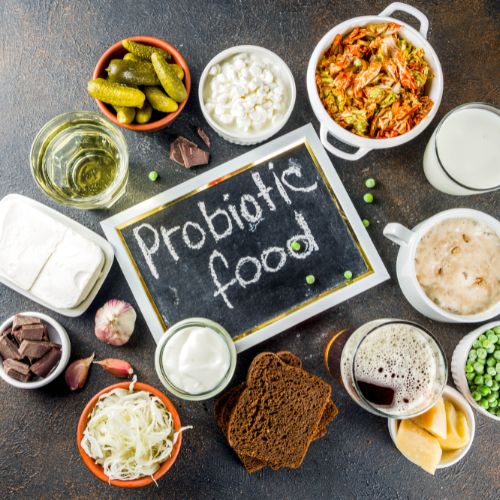
The Mediterranean diet, rich in plant foods, olive oil and fish, has been linked to better mental health. Probiotics (live beneficial bacteria) and prebiotics (fibres that feed them) also help. Yoghurt and kefir provide probiotics, while garlic, onions and bananas provide prebiotics.
Stress and gut health affect each other. Chronic stress can upset the balance of gut bacteria and make the gut lining more permeable, sometimes called "leaky gut". That can let unwanted substances into the bloodstream, driving inflammation that may affect mental health.
In turn, poor gut health can worsen stress and anxiety, as the gut releases hormones and neurotransmitters that influence mood and thinking. That's why managing stress matters for both your gut and your mind.
Inflammation appears to be an important part of the gut-brain connection. Gut inflammation can raise levels of pro-inflammatory cytokines, which may affect brain function and contribute to mood disorders. Chronic inflammation has been linked to depression and anxiety.
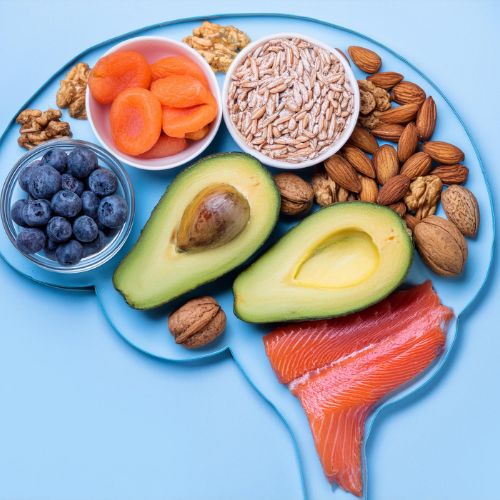
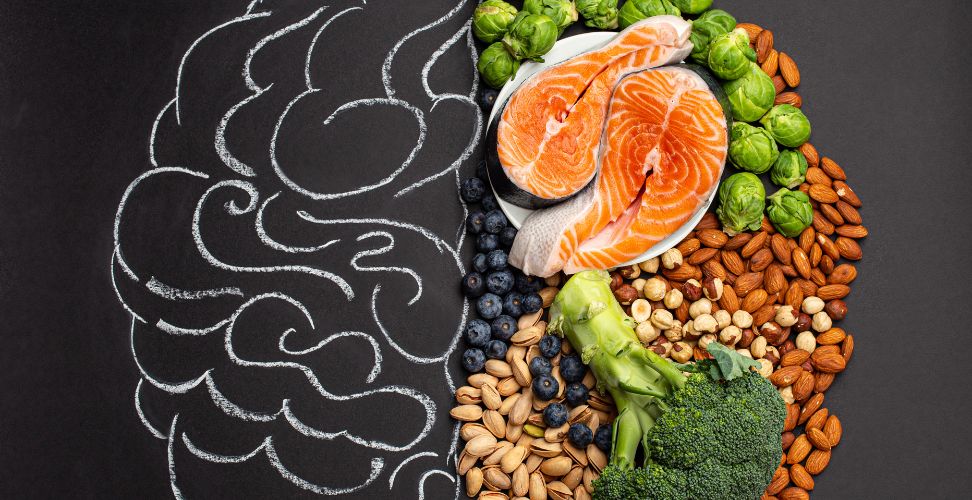
A healthy microbiome helps keep inflammation down. Anti-inflammatory foods like oily fish rich in omega-3s, berries, leafy greens and nuts support both gut and brain.
The gut-brain connection shows how closely your digestion and mental wellbeing are linked. A healthy microbiome can support mood, thinking and emotional resilience, while poor gut health may contribute to mental health challenges. A whole-person approach with balanced eating, stress management and healthy habits supports both.
As research continues, it's becoming clear that looking after your gut can bring real benefits for your mind. Recognising this connection lets you take practical steps towards feeling better from the inside out.
This guide is for general education only. Speak with a doctor or pharmacist before starting any supplement, especially if you are pregnant, breastfeeding, take medication or have a health condition.