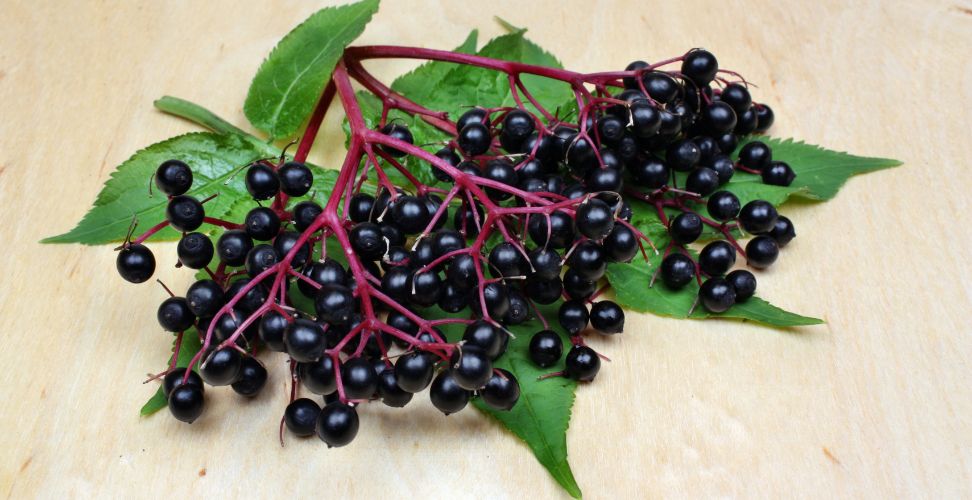
Elderberry, from the Sambucus tree, has been used in traditional medicine for centuries to support health and immunity. Its dark purple berries are celebrated for their powerful antioxidants, which offer a range of benefits. Here's a look at elderberry's nutrition, its antioxidant power, its traditional and modern uses, and how to add it to your routine.
What's Inside Elderberries
Elderberries provide vitamins A, B and C, plus minerals like potassium and iron. But it's their high antioxidant content that makes them stand out.
- Flavonoids: Anthocyanins give elderberries their deep colour and have strong antioxidant effects, helping neutralise free radicals.
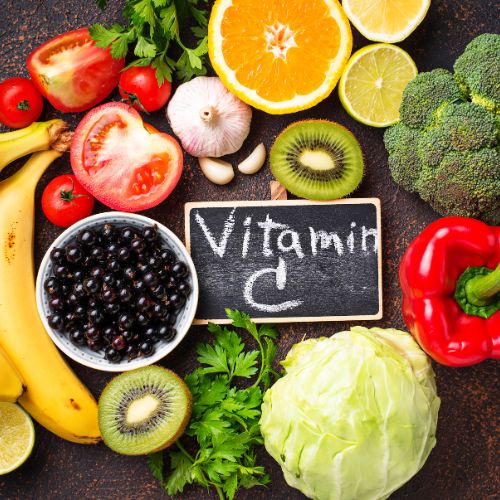
- Vitamin C: Essential for immunity and skin health, and an antioxidant in its own right.
- Fibre: Supports digestion and a healthy gut microbiome.
The Power of Elderberry's Antioxidants
Antioxidants protect your body from oxidative stress, the free-radical damage linked to chronic disease. Elderberries offer several benefits:
- Less oxidative stress: Their anthocyanins help reduce oxidative stress, which may lower the risk of heart disease, diabetes and some cancers.
- Immune support: By countering oxidative stress, elderberry may help your immune system respond effectively to infection.
- Heart health: Its antioxidants may support circulation, reduce inflammation and help with cholesterol.
- Calming inflammation: Elderberry may help reduce inflammation, a factor in many chronic conditions.
Traditional and Modern Uses
- Cold and flu relief: Elderberry syrup is a popular remedy, and some research suggests elderberry extract may shorten colds and flu and ease symptoms.
- Immune support: It's widely used during cold and flu season to help the body prepare to fight infection.
- Respiratory comfort: Elderberry has traditionally been used to soothe airways and help clear mucus.
- Skin care: Thanks to its antioxidants, it appears in some skincare products to help protect skin from environmental stress.
Ways to Enjoy Elderberry
- Syrup: The most popular option; take it by the spoonful or add it to drinks and smoothies.
- Tea: Steep dried elderberries in hot water for a soothing drink, hot or iced.
- Gummies: A tasty, convenient choice for many people.
- Jams and jellies: Cooked elderberries make delicious homemade preserves.
- Elderberry wine: A traditional drink in some cultures, best enjoyed occasionally and in moderation.
Safety First
- Don't eat raw elderberries or other plant parts: Raw berries, seeds, leaves and stems contain compounds that can make you ill. Cooked berries and commercial products are safe.
- Check with a professional: Talk to a healthcare provider before using elderberry if you're pregnant or breastfeeding, have a health condition (including autoimmune conditions) or take medication.
- Watch for allergies: Allergic reactions are rare but possible, so pay attention the first time you try it.
A Gift From Nature
Elderberry is a remarkable fruit whose antioxidants make it a strong ally for immune support and overall health. Whether as syrup, tea or gummies, it's a delicious way to support your body, especially during cold and flu season. As with any supplement, use it thoughtfully as part of a balanced, varied diet.
 Immunity Support