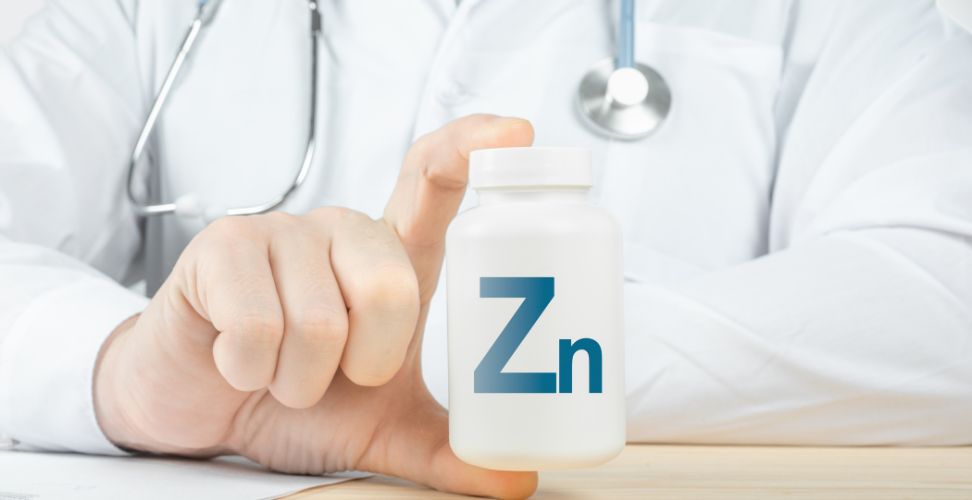
Zinc is a trace mineral involved in many processes in the body, and it's especially important for immunity. It's essential for developing and running your immune cells, and research increasingly highlights its role in shortening common illnesses like colds. Here's why zinc matters, where to find it, how much you need and what it can do when you're under the weather.
How Zinc Supports Your Immune System
- Building immune cells: Zinc is crucial for the development and activation of T and B lymphocytes, key players in your adaptive immune response.
- Antioxidant protection: It helps protect immune cells from oxidative stress, keeping them working properly.
- Controlling inflammation: Healthy zinc levels help keep inflammation in balance, preventing excessive responses that can damage tissue and slow recovery.
- Fighting viruses: Research suggests zinc may directly interfere with the replication of some viruses.
Zinc and the Common Cold
Colds are caused by various viruses, most often rhinoviruses. There's no cure, but zinc may help:
- Shorter colds: Taking zinc within 24 hours of symptoms starting has been shown in some studies to shorten colds, by up to around a third.
- Milder symptoms: Zinc may ease congestion, sore throat and cough.
- How it works: It may slow viral replication and support immune cells so your body fights the infection more effectively.
Where to Find Zinc
- Meat and poultry: Beef, lamb and chicken are rich sources, and the zinc in them is easily absorbed.
- Seafood: Oysters are one of the richest sources of all; crab and lobster also provide plenty.
- Pulses: Beans, lentils and chickpeas contain zinc, though it's less easily absorbed. Soaking, sprouting and cooking help.
- Nuts and seeds: Pumpkin seeds, cashews and hemp seeds are easy to add to snacks, salads and smoothies.
- Whole grains: Quinoa, brown rice and oats contain zinc, but phytates can reduce absorption; soaking or fermenting grains helps.
- Dairy: Cheese and milk are convenient sources.
How Much Do You Need?
For most adults, the recommended intake is about 11 mg a day for men and 8 mg for women, rising to 11–12 mg during pregnancy and breastfeeding.
More isn't better. Too much zinc can cause nausea and vomiting, and high doses over long periods can interfere with copper absorption. A balanced diet is the best way to meet your needs.
If You Choose a Supplement
Zinc supplements come in forms such as zinc gluconate, acetate and picolinate. Keep in mind:
- Get advice first: Speak to a healthcare provider, especially if you have a health condition or take medication, as zinc can interact with some antibiotics.
- Timing matters: For colds, start as soon as symptoms appear for a good chance of benefit.
- Dose: Doses used for colds vary; follow product directions and professional guidance, and use higher doses only for short periods.
More Reasons Zinc Matters
- Wound healing: Zinc supports skin health and tissue repair.
- Taste and smell: Low zinc can dull these senses.
- Growth: It's needed to make proteins and DNA.
- Hormones: It helps regulate hormones, including insulin, which controls blood sugar.
A Key Mineral for Immunity
Zinc plays an essential role in immune function and may help shorten colds. Include a variety of zinc-rich foods in your diet, and consider a short-term supplement when needed, with professional advice. Especially during cold and flu season, keeping your zinc intake healthy is a simple, proactive way to support a more resilient immune system.
 Immunity Support