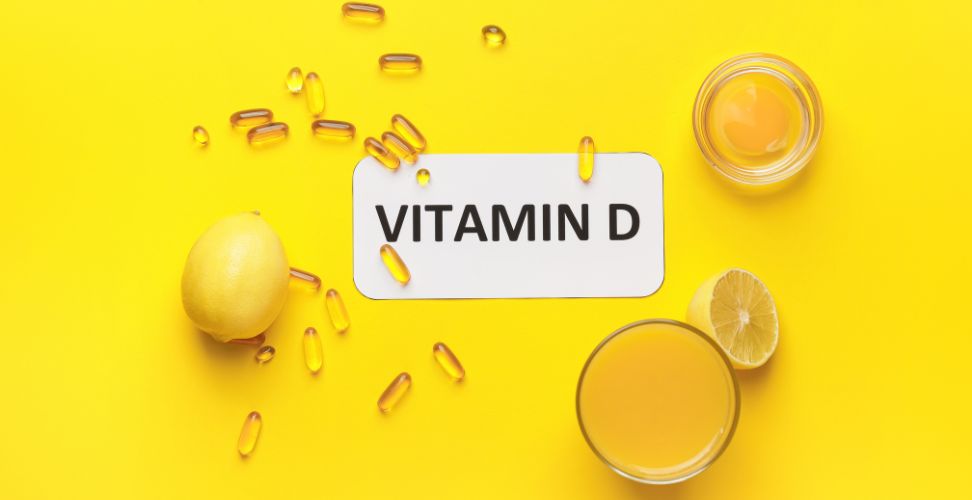
Vitamin D, the "sunshine vitamin", is a fat-soluble vitamin with many roles in the body, especially in regulating the immune system. It becomes even more important in winter, when there's much less sunlight to help your skin make it. Here's why vitamin D matters for immunity, what happens when you're low and how to keep your levels up all year.
How Vitamin D Regulates Immunity
Vitamin D supports both your innate and adaptive immune systems:
- Stronger responses: It helps activate and regulate immune cells such as T cells and macrophages, which find and attack pathogens.
- Balanced inflammation: It encourages anti-inflammatory signals and dampens pro-inflammatory ones, keeping responses in proportion.
- Antimicrobial defence: It stimulates antimicrobial peptides, natural compounds that help destroy bacteria and viruses.
- Autoimmune balance: Some research suggests it may help prevent the immune system from mistakenly attacking the body's own tissues.
Why Deficiency Is So Common
- Where you live: At higher latitudes or in cloudy climates, there's less sunlight to make vitamin D.
- The seasons: Short winter days mean levels often drop significantly.
- Lifestyle: Indoor jobs, less time outdoors and sunscreen use all reduce production.
- Diet: Few foods are naturally rich in vitamin D, particularly for people on vegetarian or vegan diets.
What Low Vitamin D Can Mean
- More infections: Low levels are linked to a higher risk of respiratory infections, including colds and flu.
- Slower recovery: A less effective immune response can mean longer illnesses.
- More inflammation: Deficiency may increase systemic inflammation, which contributes to chronic disease.
- Autoimmune risk: Some studies link low vitamin D with a higher risk of conditions such as multiple sclerosis and rheumatoid arthritis.
Where to Get Vitamin D
- Sunlight: Your skin makes vitamin D from UVB rays. Short periods of sun exposure a few times a week can help, depending on skin type, location and season, while taking care not to burn.
- Oily fish: Salmon, mackerel and sardines are among the best food sources.
- Cod liver oil: A concentrated source, though it's also high in vitamin A, so avoid doubling up with other vitamin A supplements.
- Fortified foods: Some dairy products, juices and cereals have added vitamin D; check the labels.
- Egg yolks: A useful everyday source.
- Mushrooms: UV-exposed mushrooms provide vitamin D, which is helpful for vegetarians and vegans.
Supplements: When and How
- Get advice: Talk to a healthcare provider before starting, especially if you have a health condition or are pregnant.
- Choose D3: Vitamin D3 (cholecalciferol) is generally more effective than D2 (ergocalciferol) at raising and maintaining levels.
- Dose: For most adults, the recommended intake is 600–800 IU (15–20 mcg) a day. Some people need more, particularly if deficient, but very high doses should only be taken under medical supervision.
- Test your levels: A blood test can show whether you need to supplement, especially if you're at risk.
A Winter Essential
Vitamin D is crucial for immune regulation, and never more so than in winter. Its effects on immune cells, inflammation and antimicrobial defence make it essential for a strong immune system. Combine sensible sun exposure with vitamin D-rich foods and supplement if needed, and you'll give your body valuable support through cold and flu season and beyond.
This guide is for general education only. Speak with a doctor or pharmacist before starting any supplement, especially if you are pregnant, breastfeeding, take medication or have a health condition.
 Immunity Support