 Immunity SupportImmunity Support

How vitamin C powers your immune cells, what it can (and can’t) do for colds, and the best foods to get your daily dose.
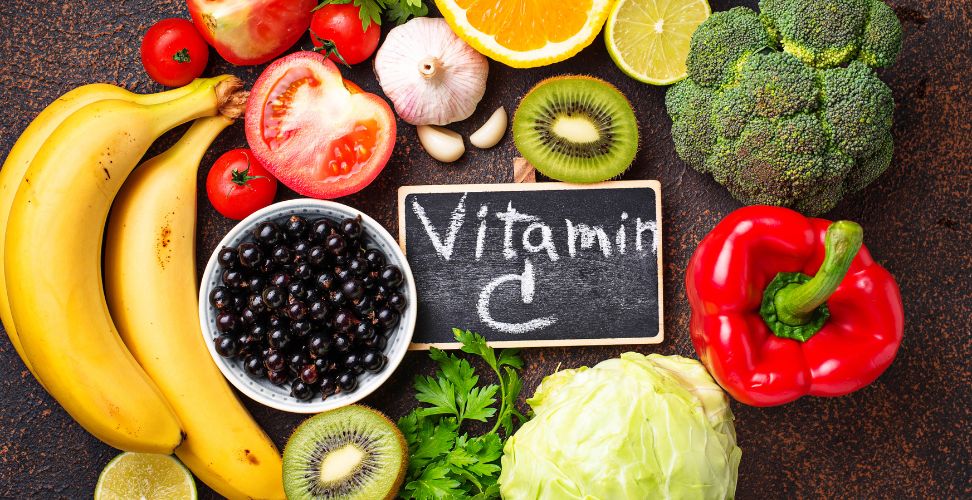
Vitamin C, or ascorbic acid, is a water-soluble vitamin involved in many processes in the body, and it's especially famous for its role in immunity. As a powerful antioxidant, it protects cells from damage, supports immune cell production and helps the body fight infection. Here's how vitamin C supports your immune system, where to get it and how much you need.
Vitamin C is essential for immune cells to work properly, particularly lymphocytes and phagocytes, which are key to both your innate and adaptive immune responses. It helps in several ways:
Research suggests vitamin C may help reduce the severity and duration of respiratory infections like the common cold. Regular supplementation has been linked to a modest reduction in how often people catch colds, particularly those under heavy physical stress, such as athletes.
Vitamin C isn't a cure, but by supporting immune function and acting as an antioxidant, it may help symptoms pass a little more quickly and feel a little milder.
Recommended intake varies with age, sex and life stage. For most adults it's about 75 mg a day for women and 90 mg for men. Smokers and people under significant stress may need more.
Because vitamin C is water-soluble, your body doesn't store much of it, so eating vitamin C-rich foods regularly is important.
Food is usually the best source, but some people benefit from supplements, including those with restricted diets, certain medical conditions or higher needs.
Choose a high-quality product. Ascorbic acid is the most common form, while buffered versions may be gentler on the stomach. Very high doses can cause digestive upset and aren't recommended for people prone to kidney stones. Check with a healthcare professional before starting, especially if you have a health condition or take medication.
Vitamin C supports immunity in many ways, from protecting immune cells to helping produce antibodies. Eating a variety of vitamin C-rich foods is the easiest way to keep your levels healthy, with supplements as a back-up if needed. Combined with a balanced diet, it helps build a resilient immune system and supports overall vitality.
This guide is for general education only. Speak with a doctor or pharmacist before starting any supplement, especially if you are pregnant, breastfeeding, take medication or have a health condition.